
Zygomatic Implants Course in Barcelona – September 2026
From September 1 to 4, 2026, Barcelona hosted the year’s final ZAGA Cadaver Course. The Zygomatic and Pterygoid Implants Course included modules on the theory behind the ZAGA concept and severe maxillary atrophy, plus pterygomaxillary implant techniques, and hands-on training with 3D models and cadavers. The course took place over the first three days at the ZAGA Centers headquarters, and on the fourth day—for the hands-on cadaver training—participants and faculty were at the University of Barcelona’s School of Medicine.
Attendees joined from 11 countries—including Denmark, Romania, Germany, the United States, Israel, Italy, Turkey, Spain, Hungary, Ukraine, and Morocco —with AI-powered simultaneous translation available throughout the course when needed.
Once again, we thank our sponsors for their support: Straumann, Dental 3D Models, and Bontempi.
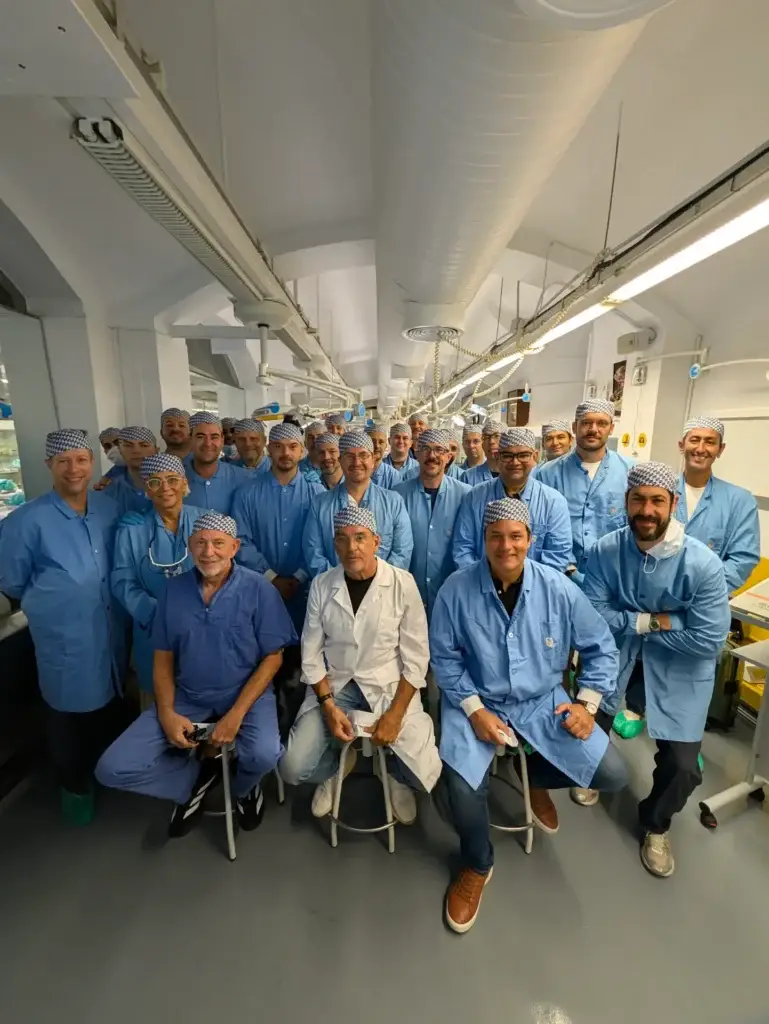
The course gathered attendees and a faculty of experienced clinicians who explored the scientific and clinical principles underlying the ZAGA Concept, combining theoretical discussion with practical application. All faculty members also took part in the hands-on sessions, working with participants on 3D models and during the cadaver training. They included Dr. Carlos Aparicio, creator of the ZAGA Concept, who was primarily responsible for leading the main modules—Zygomatic Implantology, Surgical Procedure Step by Step, and Soft Tissue Management; Dr. Adi Lorean, from the ZAGA Center in Tel Aviv, led the session on pterygoid implants; Dr. Vladimir García led the session on the Quad Zygoma Approach: Tips & Tricks to Prevent and Avoid Complications. Additionally, Prof. Horia Barbu (ZAGA Scientific Partner, Bucharest) joined the hands-on sessions, supporting participants as they practiced implant placement on 3D models and sharing practical tips on surgical positioning and technique.
Day 1 - ZAGA Concept and Surgical Foundations
The first day began with the participants introducing themselves to the rest of the group, to help everyone get to know one another and to allow the faculty to assess the group’s overall level of experience with zygomatic implants. The first day focused on the ZAGA Concept, presented by Dr. Aparicio. The dental implant course also included an introduction to Straumann and its latest implant advances. The day concluded with hands-on training using 3D models—the Zygo Vampire Model—which includes cortical bone and internal trabecular structures with simulated blood.
The day ended with a welcome drink, during which both participants and faculty had the opportunity to connect outside the lecture room.
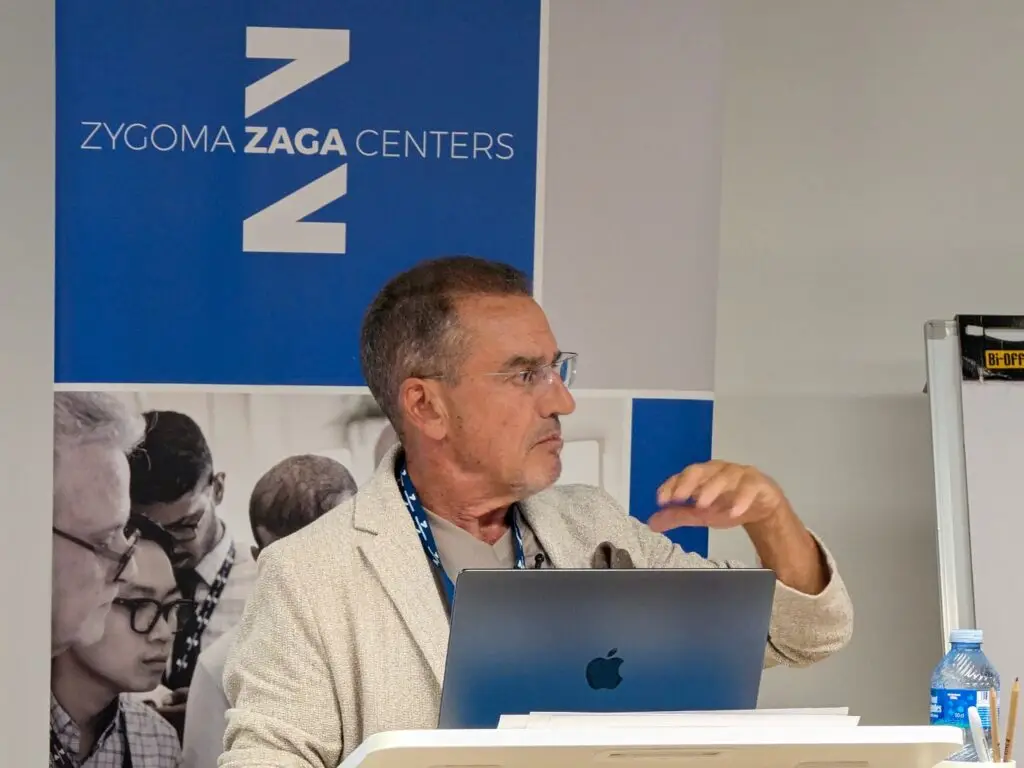
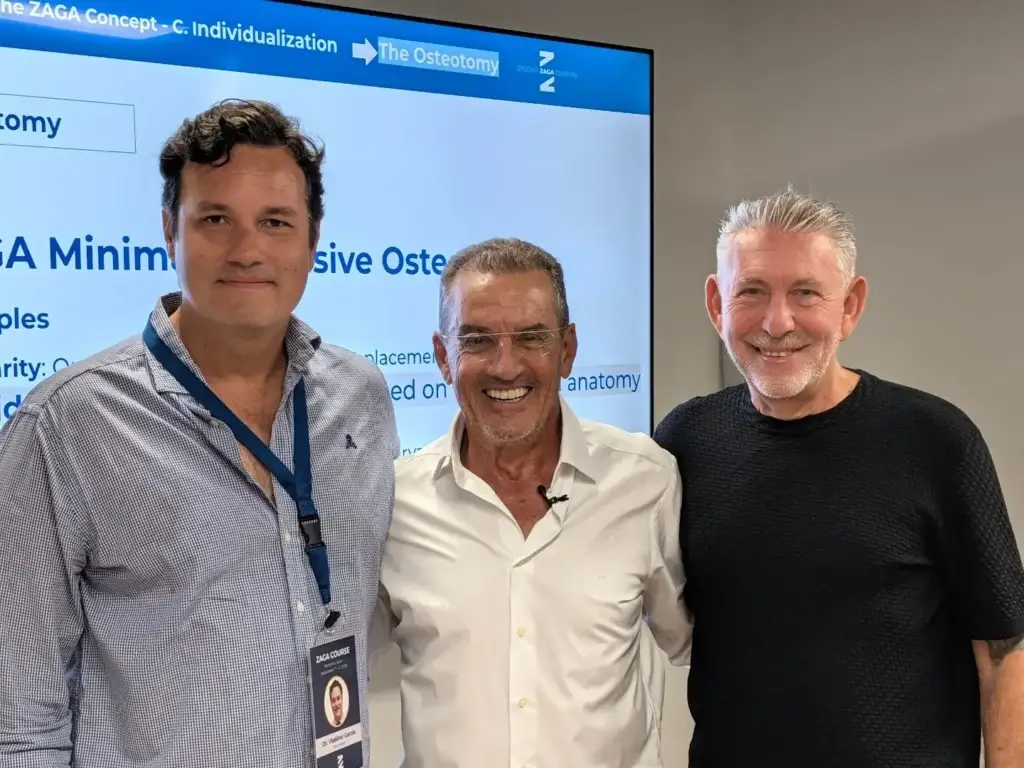
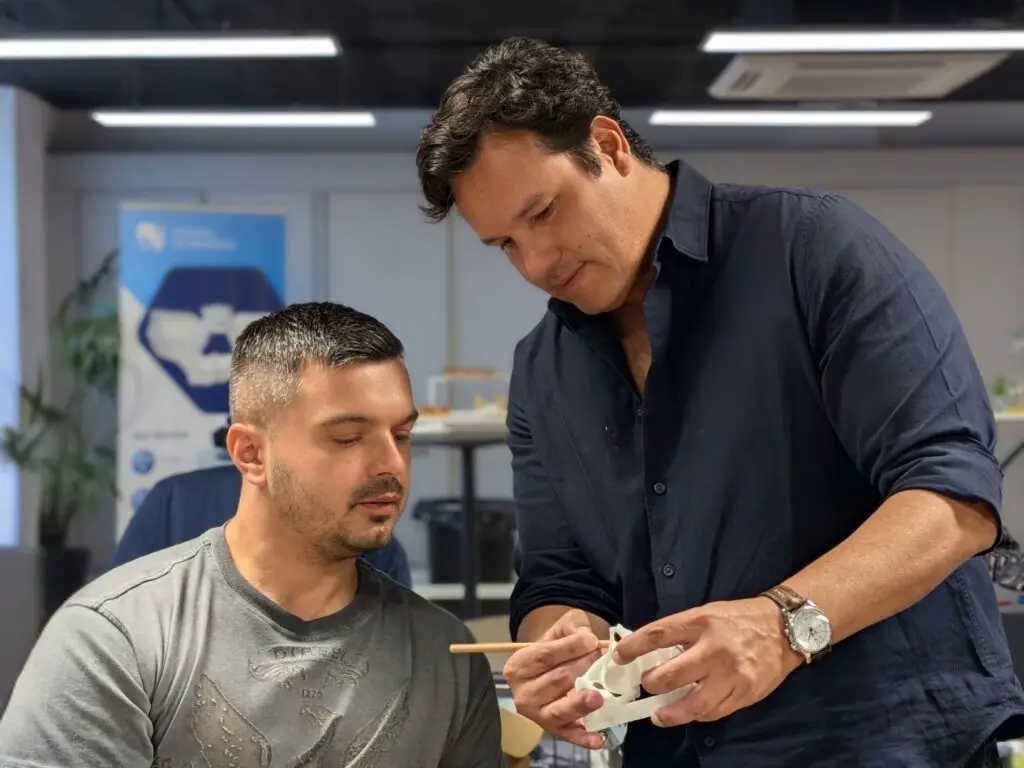
Day 2 - ZAGA Concept and Soft Tissue Management
The second day continued with the second part of the ZAGA Concept and the Soft Tissue Management session. The day focused on expanding on the knowledge about zygomatic implants that had been introduced the previous day. The day also concluded with the Dental 3D Models session, during which participants were able to apply the theory from both days to practical exercises.
Day 3 - Pterygomaxillary Implants and Complications
The third day began with Dr. Adi Lorean’s session on pterygoid implants, followed by the hands-on model session. Participants worked in pairs on customized 3D models of the donor heads assigned to them for dissection the following day.
In the afternoon, Dr. Vladimir García presented a session on the Quad Zygoma Approach: Tips & Tricks to Prevent and Avoid Complications. The final theoretical class of the course, on Complications & ORIS Criteria, was taught by Dr. Aparicio.
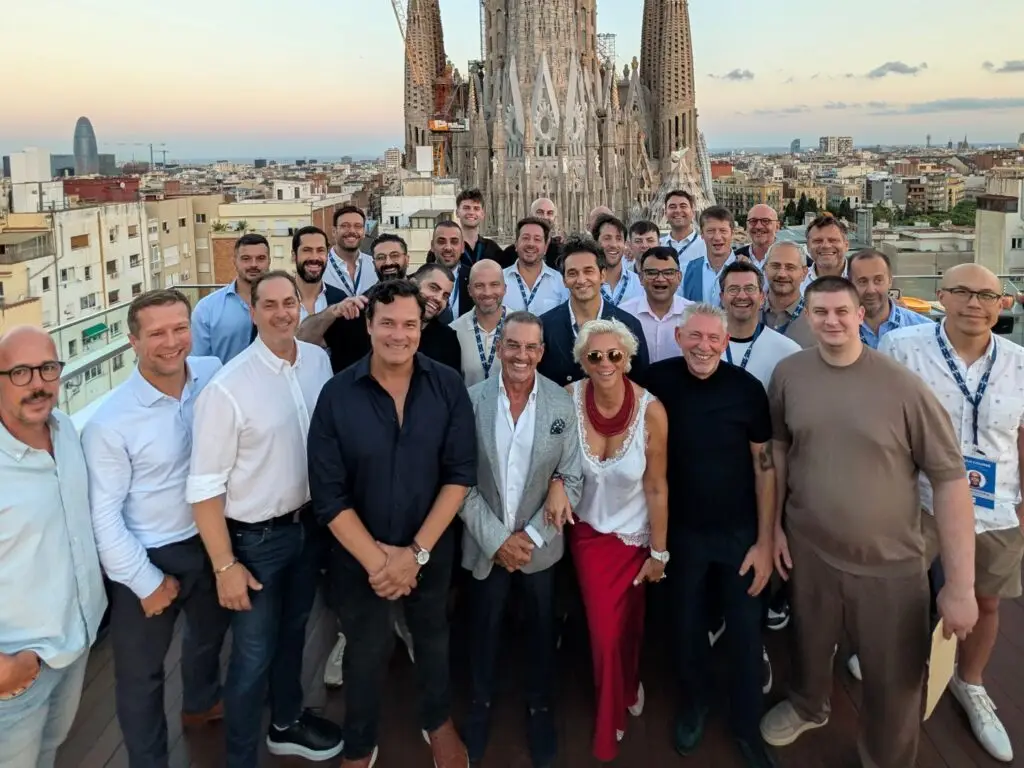
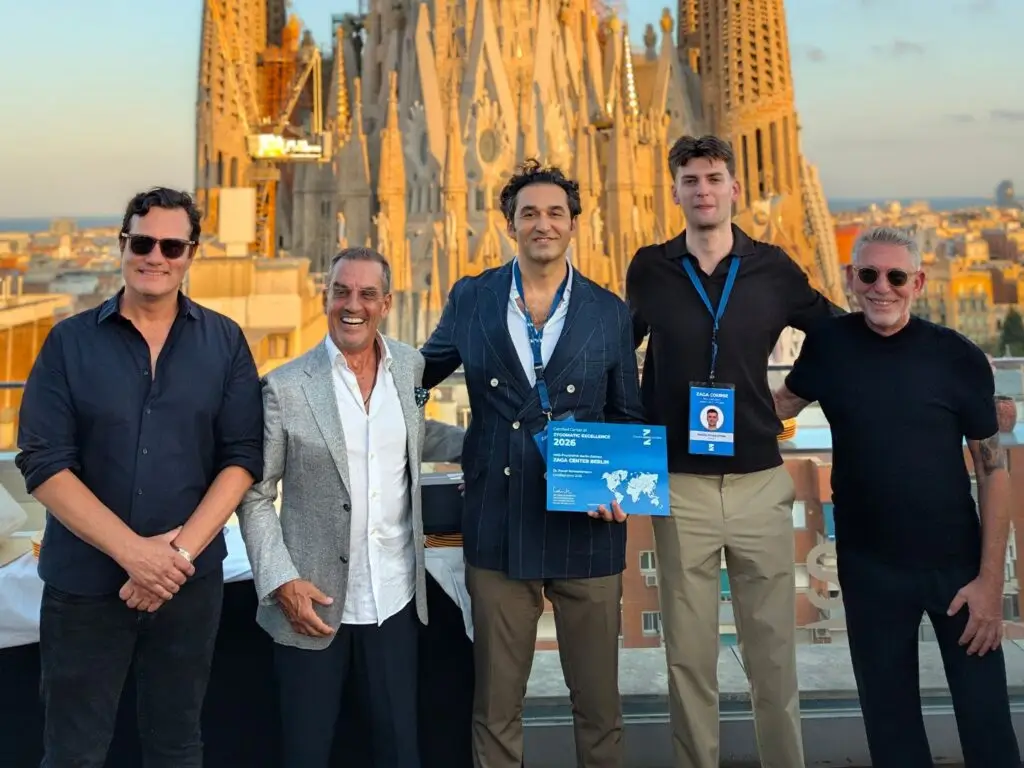
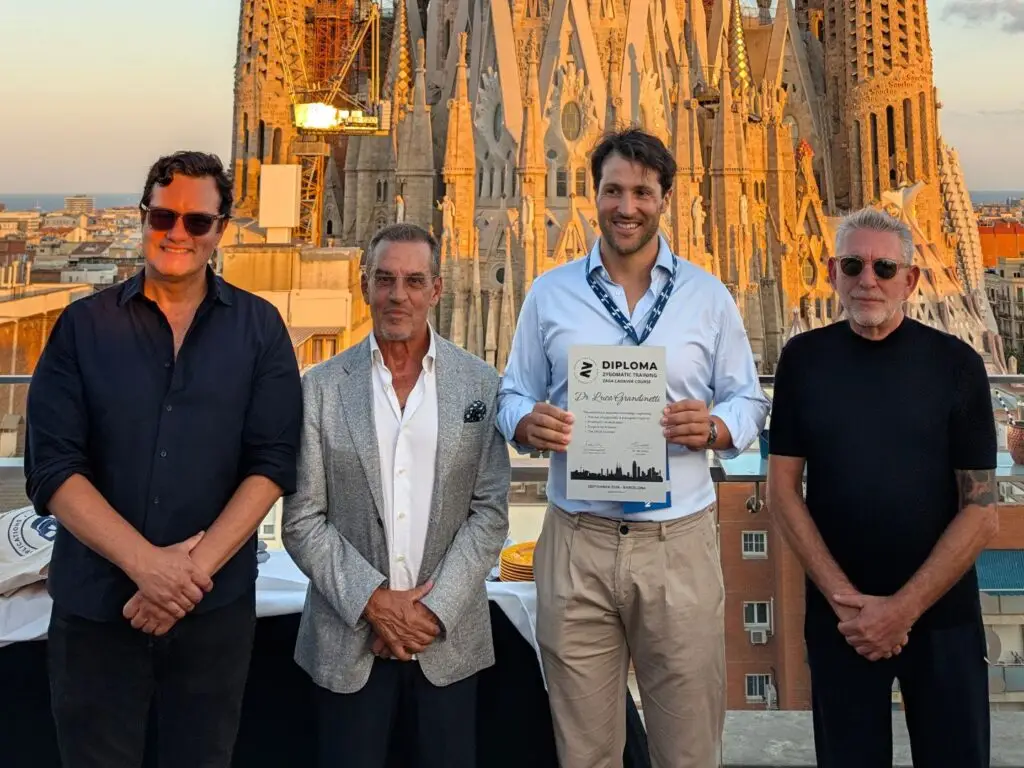
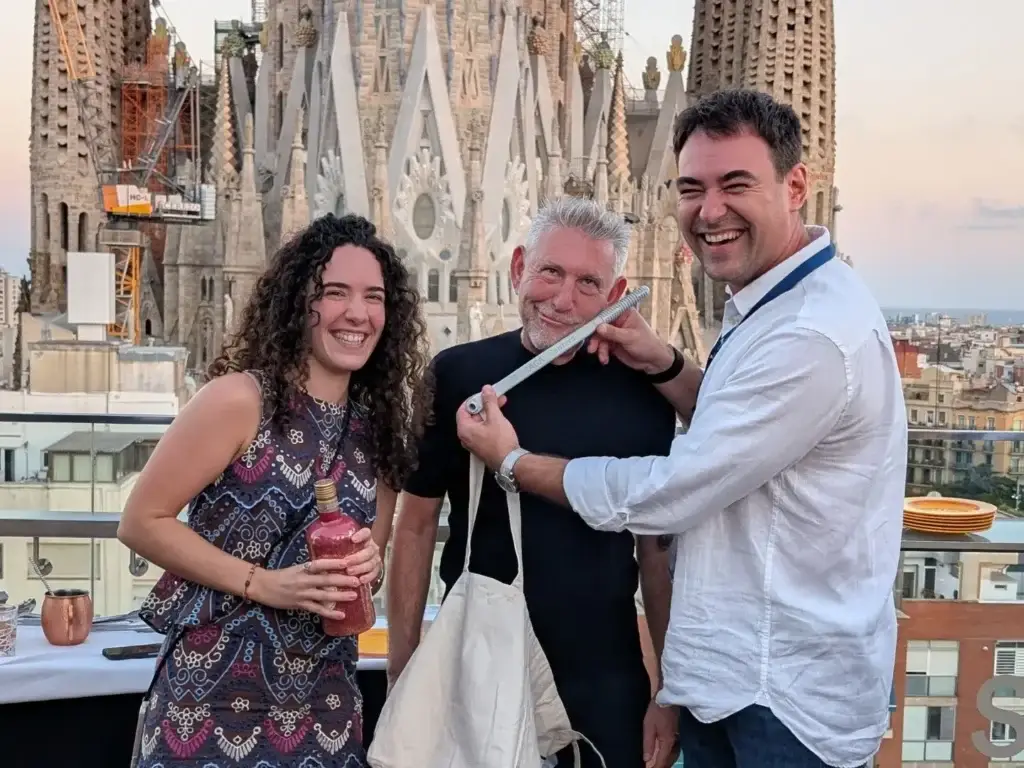
The day concluded with a social event on the terrace of the Sercotel Rosselló, featuring exclusive views of the Basilica of the Sagrada Família. In addition to dinner, the event included a diploma ceremony and the announcement of the social media contest winner: Dr. Gabriel Cojocariu.
The diploma ceremony also marked the official welcome of Dr. Pawel Schwartzmann, director of the new ZAGA Center Berlin, to the ZAGA Centers Network. As part of the ceremony, he received his physical diploma and ZAGA Center welcome kit, formally marking the Center’s addition to the network.
Day 4 - Cadaver Surgery at the Faculty of Medicine
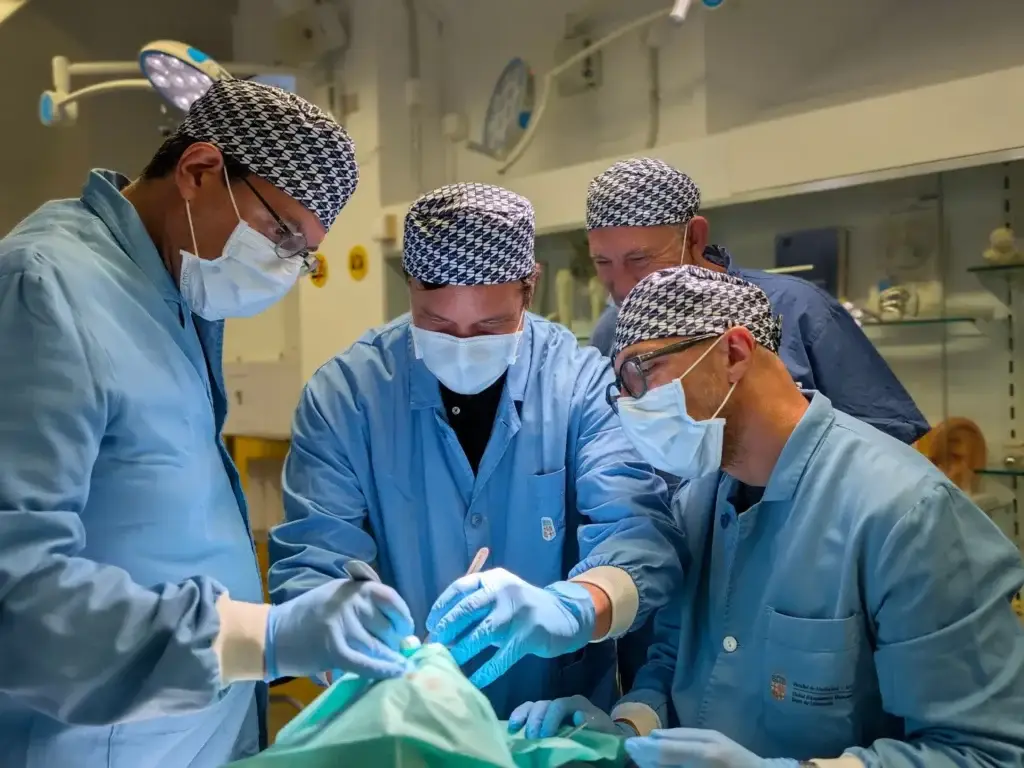
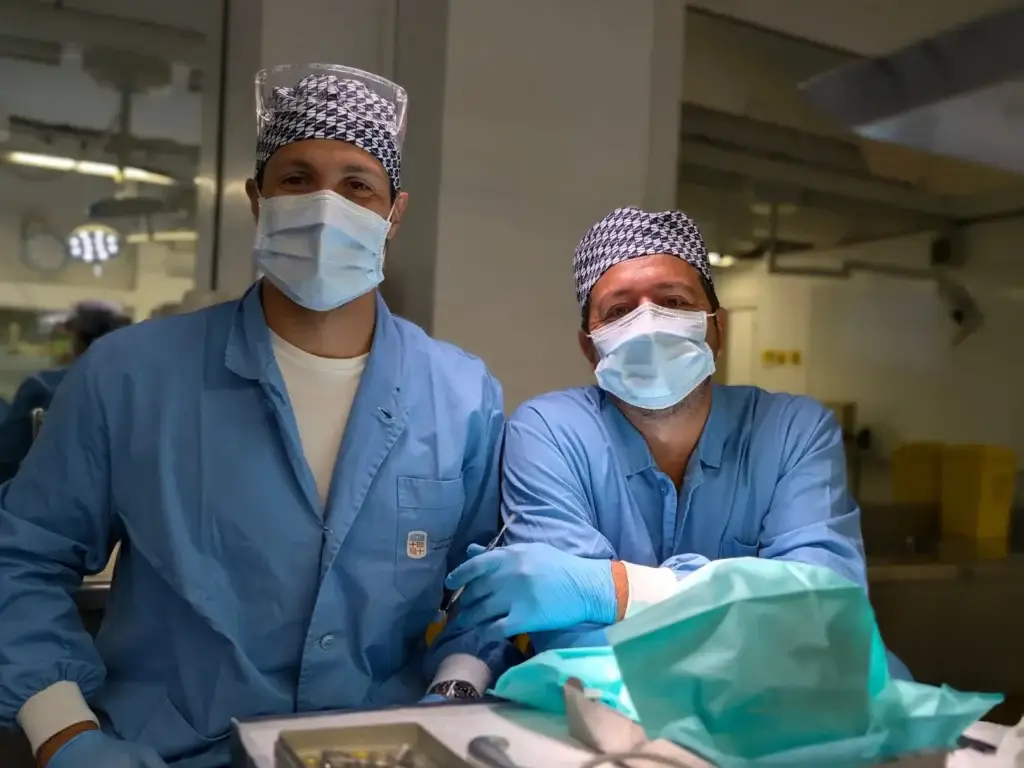
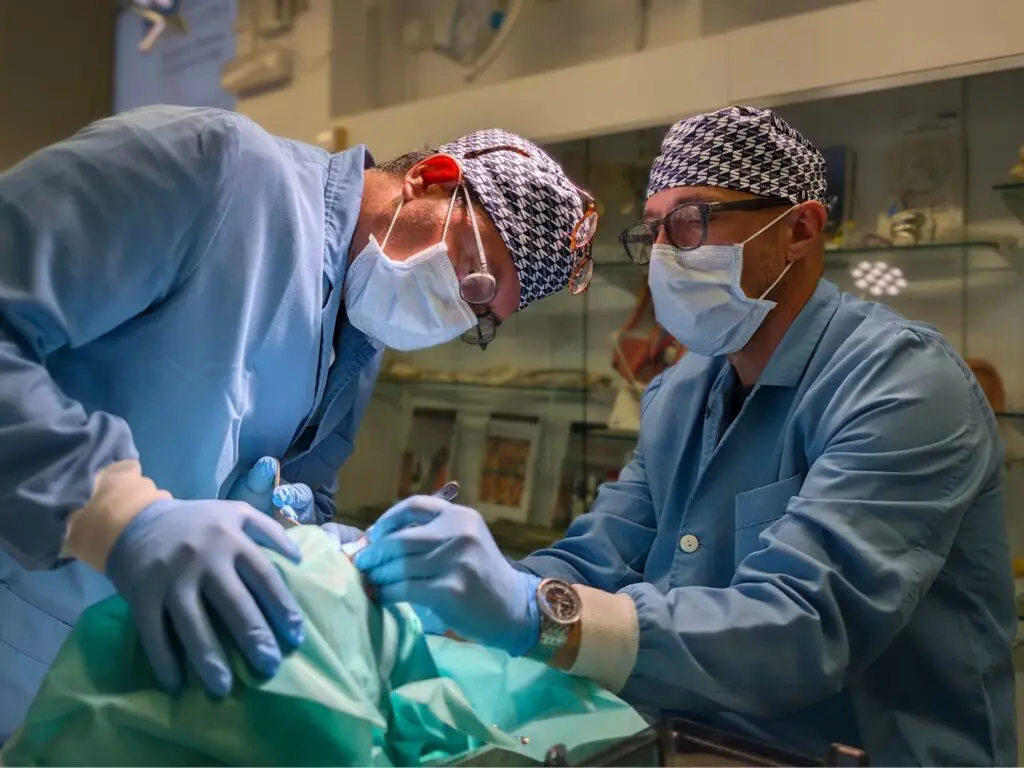
The final day focused entirely on hands-on cadaver training, during which participants practiced the zygomatic implant technique using cryopreserved cadaver heads. Dr. Glauco Chisci, a participant in the ZAGA Course, said, “This course has changed my practice in zygomatic surgery.”
At the end of the surgical training, Dr. Aparicio signed copies of the book for all the doctors who purchased it during the course. All proceeds from the book are donated to the ZAGA Social Program. We want to thank all participants who contributed to the ZAGA Social Program, raising a total of 1430€: Dr. Suliman Luai, Dr. Alaa Massalha, Dr. Jaouad Lachgar, Dr. Cristi Buteanu, Dr. Luis Fernando Quiros, and Dr. Pablo García Cañas.
Survey Satisfaction Results
Feedback from participants is very important to us because it sets the true standard for the ZAGA Course; that is why we are proud to share the following results:
- Overall evaluation: 9.84 / 10
- Theoretical sessions: 9.76 / 10
- Hands-on with cryopreserved heads: 9.92 / 10
- Hands-on with dental 3D models: 9.84 / 10
- Pterygoid module: 9.88 / 10
“Excellent organization, nice people, a lot of useful information, high level of the course.” – Dr. Cristi Buteanu
“Good breadth and coverage. I appreciated Dr. Lorean’s comment on having to manage the whole procedure “A-Z,” including complications.” – Dr. Christopher Chang
“The course was comprehensive and met all our needs. The proximity between the hospital and the course venue was excellent.” – Dr. Jaouad Lachgar
“Nothing is comparable.” – Dr. Christoph Dröseler
Upcoming ZAGA Cadaver Courses

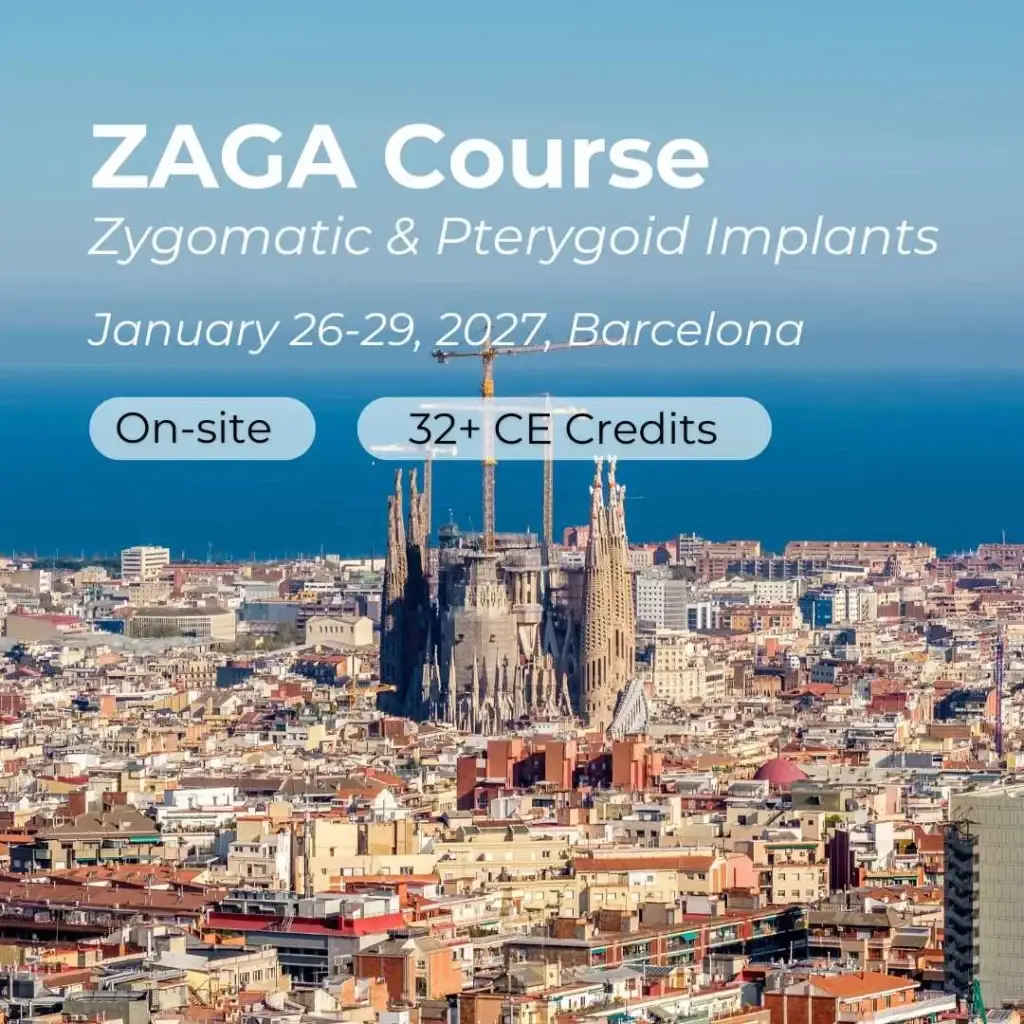
Early Bird until 14th September, 2026
Early Release rate until 30th September, 2026