ZAGA Course in New York: An Immersive Educational Experience

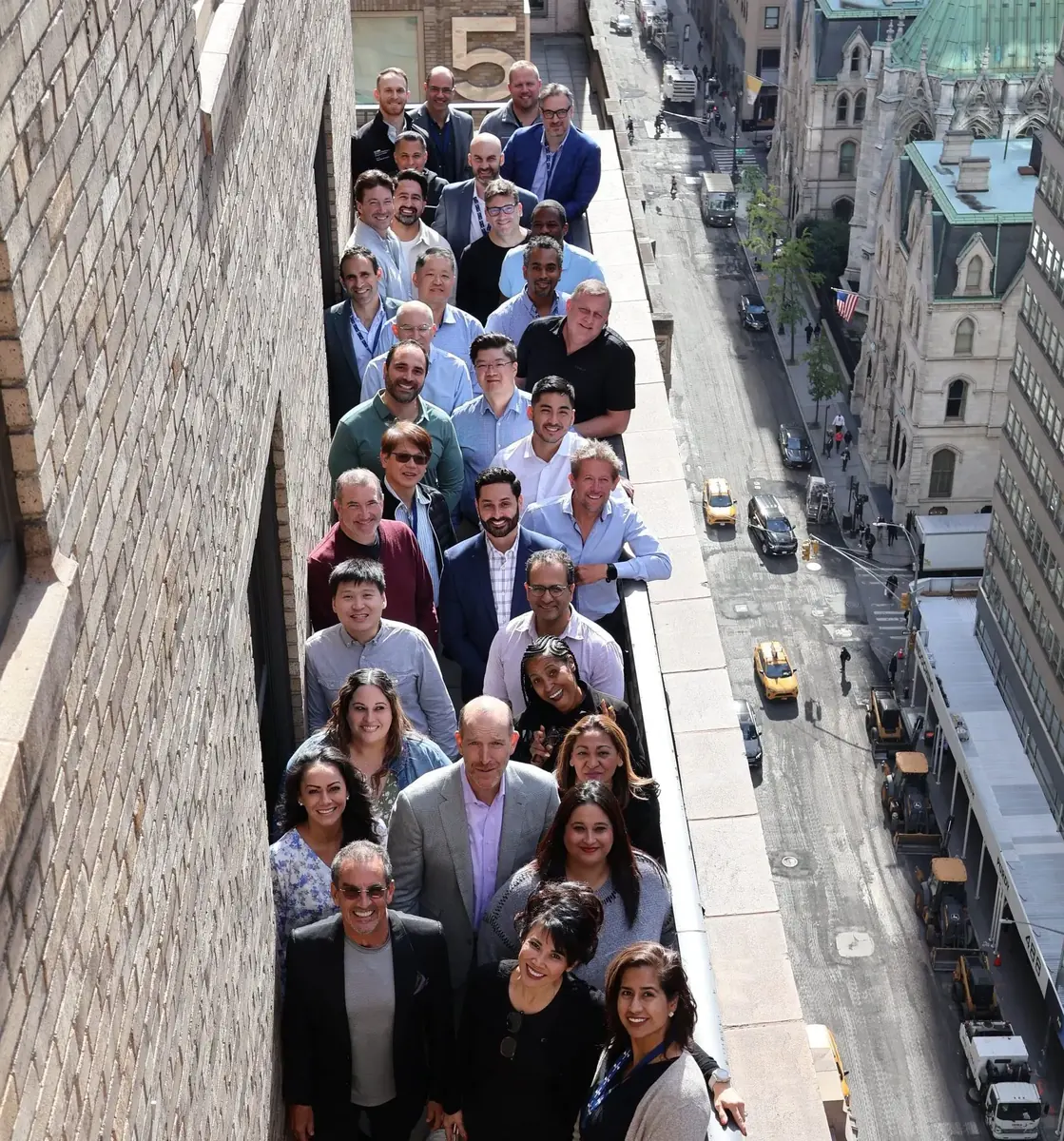
Participants of the ZAGA course in New York

From 16 to 18 October 2024 we ran the ZAGA Cadaver Course in New York, hosted by The New York Center for Orthognathic and Maxillofacial Surgery. Dr. Carlos Aparicio and Dr. Jay Neugarten taught the three days, from planning to placement, following the Zygoma Anatomy Guided Approach (ZAGA).

Thank you to Straumann US, H&H Instruments and BiLumix for coming back for another edition.

The next editions of the zygomatic and pterygoid implant course are listed on the course page.

Hands-on: 3D models first, then cryopreserved heads

Every participant placed Straumann ZAGA Round and ZAGA Flat implants on 3D-printed patient models before moving on to cryopreserved human heads. The models take the pressure off the first attempt. The heads bring it back, because the anatomy is real and the bone and the sinus membrane behave the way they do in surgery.

The exercise followed the ZAGA logic in the order we teach it: read the anatomy, decide the trajectory, then drill. The decision is the part that decides the outcome for the patient.

Participant during the hands-on traning with 3D Models
Participants during the hands-on traning with cryopreserved human heads.
Participants attending the theoretical sessions.
Participants receiving instructions from specialist doctors during surgeries on cryopreserved human heads

Case discussions, the ORIS Success Code and ZAGA Social

Between sessions the group reviewed cases together, with a lot of back and forth on intra-sinus versus extra-sinus paths. Dr. Aparicio also walked through the ORIS Success Code, the criteria he proposed for judging whether a zygomatic rehabilitation in a severely resorbed maxilla has actually succeeded: prosthetic offset, rhino-sinus status, soft tissue infection and implant stability.

We also opened the course to the ZAGA Social program. Participants could make a voluntary donation and take home a copy of Dr. Aparicio’s book, Advanced Zygomatic Implants: The ZAGA Concept. The money goes to edentulous patients who cannot afford a zygomatic rehabilitation and to dental students who want to learn the technique.

Theoretical Session in the ZAGA Course in NY
Participants discussing during the theoretical sessions

Dinner, diplomas and the complications symposium

Lunches and coffee breaks did most of the networking, as they usually do. The group dinner and the diploma ceremony on the last evening finished the job. By then people were swapping cases over the table rather than talking about the weather.

Participant with the ZAGA Course diploma

Dr. Guy McLellan from ZAGA Center Cardiff assisted during the hands-on sessions. On 19 October, the day after the course, he spoke at the First Global Zygomatic Complications Symposium, also in New York. For anyone who attended both it made a coherent week: three days learning to place the implants, then a full day on what to do when something goes wrong.

Group photo at the First Global Zygomatic Complications Symposium.

How the group rated the course

We ask every group to score the course anonymously on the last day. This one gave it 10/10 overall, and everyone said they would recommend it. By session:

  • Theory sessions: 9.9/10
  • Hands-on 3D models: 9.75/10
  • Hands-on cadavers: 9.7/10

Dates, programme and CE credits for the next New York edition are on the ZAGA Course page.

My expectations for this course were to gain an excellent foundation in assessing patients for zygomatic implants: including indications, contraindications, complications, and management of complications, ultimately leading to being able to perform the surgery. I feel that all my expectations were not only met but exceeded, especially thanks to the hands-on experience. I now feel much more confident in my ability to provide this treatment to patients in the future.
Dr. Luke J Zambetti​
Dr. Luke J Zambetti
Participant in the ZAGA Cadaver Course in NYC

Learn the ZAGA Concept Now

Online course

Eleven modules with quizzes, available the moment you enrol. Study at your own pace; complete all the quizzes and you receive a 15 CE certificate for 15 hours of learning.

Cadaver course

Three to four days in Barcelona or New York with Dr. Carlos Aparicio: lectures on the ZAGA Concept, practice on 3D patient models, then surgery on cryopreserved heads.

Live Surgery Training

Operate on real patients at ZAGA Center São Paulo with Dr. André Sakima and Dr. Jan Peter Ilg at the table. The closest thing to your first zygomatic case, with a mentor.

Edentulism Conferene May 2027 Barcelona