
ZAGA Cadaver Course Barcelona June 2026: Training Recap
The latest edition of the ZAGA Cadaver Course was held in Barcelona, Spain, from June 9 to 12, 2026, and consisted of four intensive days focused on advanced rehabilitation using zygomatic and pterygoid implants.
The ZAGA Zygomatic Implant Course took place at the ZAGA Centers’ Headquarters for the first three days and concluded on Day 4 at the Faculty of Medicine of the University of Barcelona for the hands-on with cryopreserved donor cadaver heads. The combination of three days of evidence-based theory and 3D model hands-on training, followed by a full day of surgery on cryopreserved cadaver heads under real surgical conditions, provides a depth of learning that shorter formats simply cannot replicate.
This course stood out for having a large number of participants from China, as well as Taiwan, Israel, the United Kingdom, Romania, Russia, and Germany, demonstrating once again that the ZAGA Community continues to grow globally. Given the diversity of nationalities in ZAGA Courses, in recent editions, we have incorporated AI-powered simultaneous translation, ensuring every participant follows every session, discussion, and insight, regardless of language.
The event was made possible with the great support of Straumann, Bontempi, and Dental 3D Models.
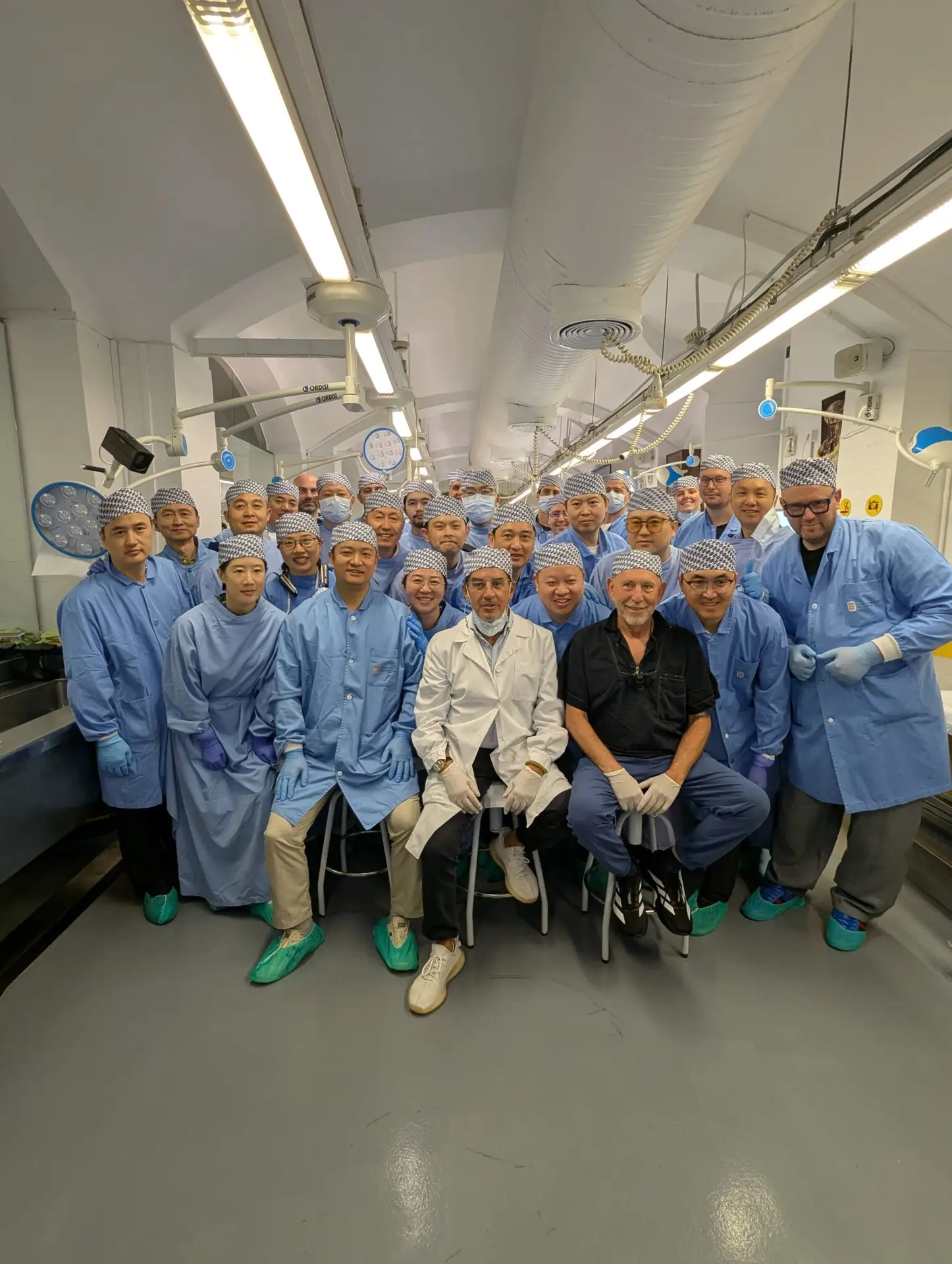
Meet the Faculty: ZAGA Cadaver Course Barcelona 2026
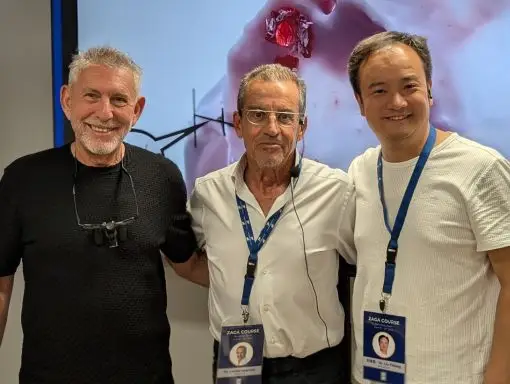
Dr. Adi Lorean, ZAGA Center Tel Aviv. Led the pterygoid implants module, bringing extensive clinical experience in anatomical considerations and complex rehabilitation cases.
Dr. Carlos Aparicio, Creator of the ZAGA Concept and one of the world’s most experienced clinicians in zygomatic implantology.
Dr. Liu Tiliang, ZAGA Center Beijing. Contributed key content on surgical comparison representing the fast-growing ZAGA presence in Asia.
Day 1 | ZAGA Concept and Surgical Foundations
The June ZAGA Cadaver Course opened with a warm welcome from Dr. Carlos Aparicio, during which all participants had the opportunity to introduce themselves and share their motivation for taking the course.
This welcome was followed by the first session of the course: the Zygomatic Implants Indications. Setting the clinical and philosophical framework for the days ahead. Participants received a thorough introduction to the ZAGA Concept, the Zygoma Anatomy-Guided Approach, which treats each patient’s unique anatomy as the guide for surgical decision-making rather than a standardized technique.
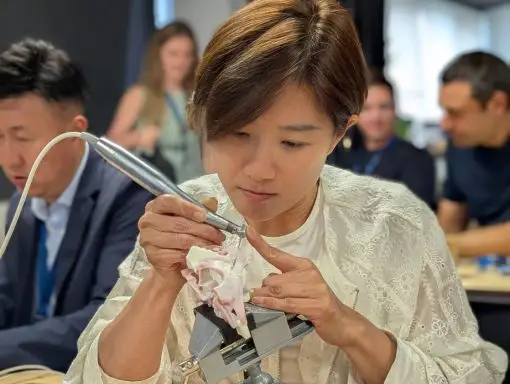
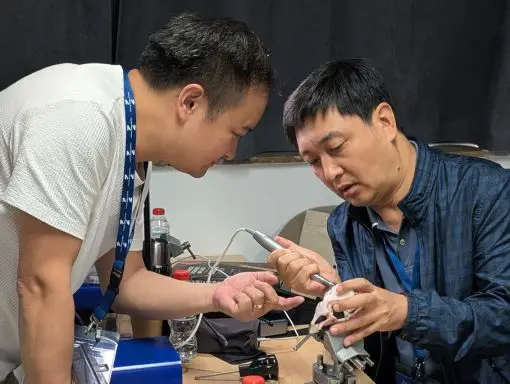
The afternoon included an introduction to the Straumann implant system and the first hands-on session on the Zygo “Vampire” Model by Dental 3D models, allowing participants to begin applying the concepts discussed during morning lectures in a controlled, realistic environment, supervised by Dr. Aparicio, Dr. Lorean, and Dr. Tiliang.

Day 2 | Soft Tissue Management and Surgical Comparison
On the second day, Dr. Aparicio helped participants gain a deeper understanding of soft tissue management. This is one of the most critical clinical aspects of maxillary implant surgery and a key factor in long-term success.
In the afternoon, Dr. Liu Tiliang gave a very interesting talk: “Comparison of Procedure Success Between the ZAGA Concept and Original Techniques”, in which participants were provided with evidence-based context to understand why the ZAGA Concept yields better results. The afternoon concluded just as it had the previous day, with a 3D modeling session in which participants put into practice all the theory they had learned so far.
Day 3 | Pterygomaxillary Implants, Complications, and Diploma Ceremony
The third day began with Dr. Adi Lorean discussing pterygoid implants, covering anatomical considerations, surgical indications, and clinical applications in full-arch cases. This was followed by a hands-on session using 3D models, this time with the Zygo White Model. This model was shaped to match the anatomy of the cryopreserved head that would be operated on the following day in the operating room at the Faculty of Medicine of the University.
In the afternoon, Dr. Carlos Aparicio led a session on ORIS Success Criteria, a rigorous clinical framework for evaluating outcomes in zygomatic implant surgery rehabilitation. He opened the discussion on real-world complications and how to anticipate, manage, and document them. This provided many useful clinical tools for practice.
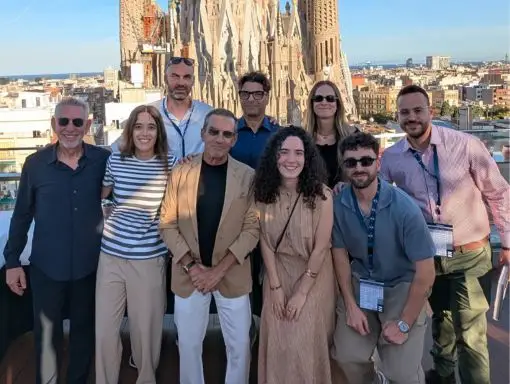
The day concluded with a social gathering and the diploma ceremony at the Sercotel Rosellón, an exceptional venue with views of the Sagrada Família.
Participants received their certificates of completion during the dinner, which provided an opportunity for networking, discussions about the new knowledge they had acquired, and a space for participants to engage in conversation outside the classroom.




Day 4 | Cadaver Surgery at the Faculty of Medicine
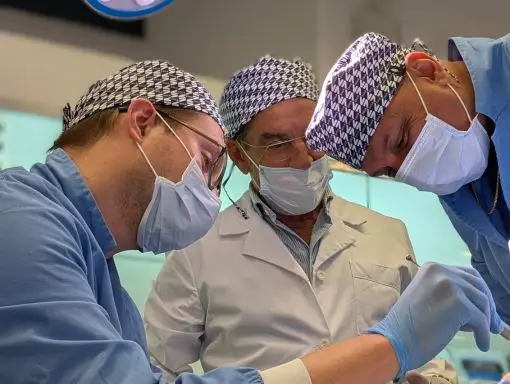
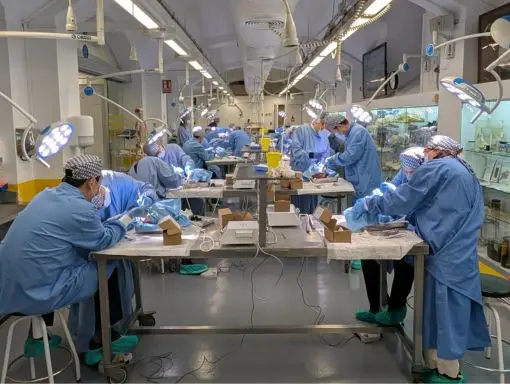
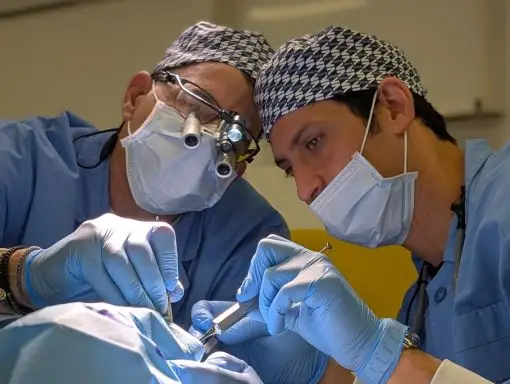
On the last day, we went to the University of Barcelona’s School of Medicine. There, working in pairs, the participants had the opportunity to use cryopreserved heads to simulate a real surgical scenario. Each participant had a quadrant to work on, and there they had the space and time to put into practice all the theory they had acquired over the previous three days: anatomy, technique, tissue management, implant placement, and more, in a setting that bridges training and clinical practice.
The course concluded with a book signing of “Advanced Zygomatic Implants: The ZAGA Concept” by Dr. Carlos Aparicio. Participants had the opportunity to purchase the book and join the ZAGA Social Program, an initiative in which all proceeds go directly to low-income patients in need of zygomatic implants.
What Participants Think After the ZAGA Cadaver Course?
Participant surveys confirm what every edition makes clearer:
- Overall evaluation of the ZAGA Cadaver Course: 10/10
- Theory sessions: 10/10
- Hands-on 3D Models: 10/10
- Hands-on Cadavers: 10/10
- Pterygoid Module: 10/10
Edition after edition, participant satisfaction keeps growing, and the June 2026 results speak for themselves: a perfect 10/10 across every evaluated category.
Learn the ZAGA Concept Now
Online course
Enroll now and start learning from anywhere, immediately! Learn at your own pace by going through the 11 modules and quizzes!
Cadaver course
Upon completion, you will receive a valid 15 CE certificate for 15 hours of learning. You will have to successfully complete all Quizzes to receive it!
Live Surgery Training
The completion of the Online ZAGA Course opens the doors to the ZAGA Certification to become the exclusive ZAGA Center in your area.